
Rosh Hashanah and Eating Disorder Recovery: Your Holiday Toolkit
Rosh Hashanah, the Jewish New Year and the beginning of the High Holidays, is one of the most significant celebrations in the Jewish calendar. It’s a time of reflection, renewal, and gathering with loved ones. This year, Rosh Hashanah begins on Monday, September 22nd, and ends at sunset on Wednesday, September 24th. While the holiday can be joyful and celebratory, Rosh Hashanah and eating disorder recovery can bring unique challenges, especially when navigating food-centered traditions, changes in routine, and family gatherings.
Below are five tips to help you or a loved one navigate the traditions and challenges of Rosh Hashanah and eating disorder recovery:
Have Support In-Person or Virtually
Whether you are attending Rosh Hashanah services at temple or having dinner with relatives, support can play a key role in navigating Rosh Hashanah and eating disorder recovery. Driving and walking in together, sitting together during the meal, and having them nearby during conversations can help ease your nerves. It may also be helpful to discuss beforehand something you can say or do to let them know if you’re struggling. If being with family feels overwhelming, having a friend you can text, call, or even ask to pick you up is a good plan to have as well.
Know What Will Be Served Ahead of Time
Rosh Hashanah often includes traditional foods like challah, apples with honey, soup, chicken, brisket, and sweet desserts. Knowing what will be served ahead of time can help you feel more prepared and less uncertain, since having a meal with loved ones may already feel stressful. You might also consider bringing a dish you feel comfortable eating. This can help ease nerves and allow you to feel calmer before and during the celebration. In addition to knowing what foods will be available, having a coping tool, such as a fidget, grounding exercise, or other distraction, can be helpful if you experience anxiety during the meal.
Try To Keep Some Sort Of Schedule
Having a sense of structure on Rosh Hashanah can be especially helpful in eating disorder recovery. In addition to celebrating the holiday, you may be off from school or work and have more downtime than usual. While it’s okay to rest, slow down, and have flexibility, keeping a routine, following your meal plan, and doing activities you enjoy, while also planning breaks, can help the day feel more predictable.
Set and Enforce Boundaries
It’s unfortunately common for conversations at holiday gatherings to turn toward food, eating habits, or appearance. While it can feel uncomfortable, especially with relatives, setting and holding boundaries can help you feel more at ease and prepared for the event. You might ask to avoid certain topics, go outside for fresh air, change the direction of the conversation, or excuse yourself. While you may feel like it, you are not being defensive or insensitive by setting these boundaries and expectations. Remember that it’s important to prioritize yourself and your healing while navigating Rosh Hashanah and eating disorder recovery.
Be Gentle And Kind To Yourself
Like all holidays, Rosh Hashanah can bring up difficult feelings with food, family dynamics, and body image. It’s okay if there are challenging moments. It’s okay if things do not go according to plan. Your best is enough, and you do not need to be hard on yourself. Your holiday does not need to look like anyone else’s.
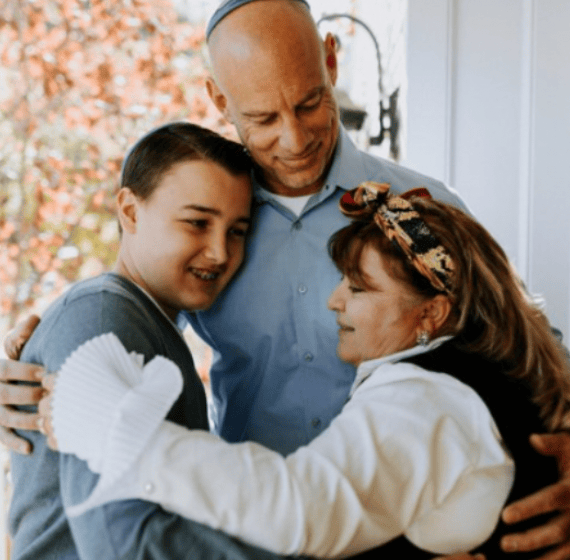
There is no “right” or “wrong” way to spend Rosh Hashanah, and it is critical to do what is best for you, your recovery, and mental health. You can spend the day in whatever way feels most supportive for you.
Get Support Navigating Rosh Hashanah and Eating Disorder Recovery
At BALANCE eating disorder treatment center™, we understand that the High Holidays like Rosh Hashanah, Yom Kippur, and Sukkot can bring challenges for those in eating disorder recovery. Our team has extensive experience treating eating disorders, disordered eating, and body image concerns for many clients in the Jewish community.
BALANCE eating disorder treatment center™, located in New York City, offers free consultation calls to help you explore next steps. We provide in-person programming seven days a week and are in-network with UnitedHealthcare (UHC), Cigna, Emblem, and Oscar, with Aetna coverage coming soon. Support is available, and recovery is possible. Schedule a free consultation call with our admissions team here and stay connected with BALANCE on Instagram here.
This post was written by BALANCE Social Media Coordinator, Amanda Nussbaum (she/her).
Amanda is the Social Media Coordinator at BALANCE. She graduated from Ramapo College, where she majored in Business Administration with a concentration in Marketing. She enjoys being creative, writing, and editing videos, and is passionate about mental health, wellness, and lifestyle. She enjoys contributing to the BALANCE blog!