
Moving Out in Eating Disorder Recovery
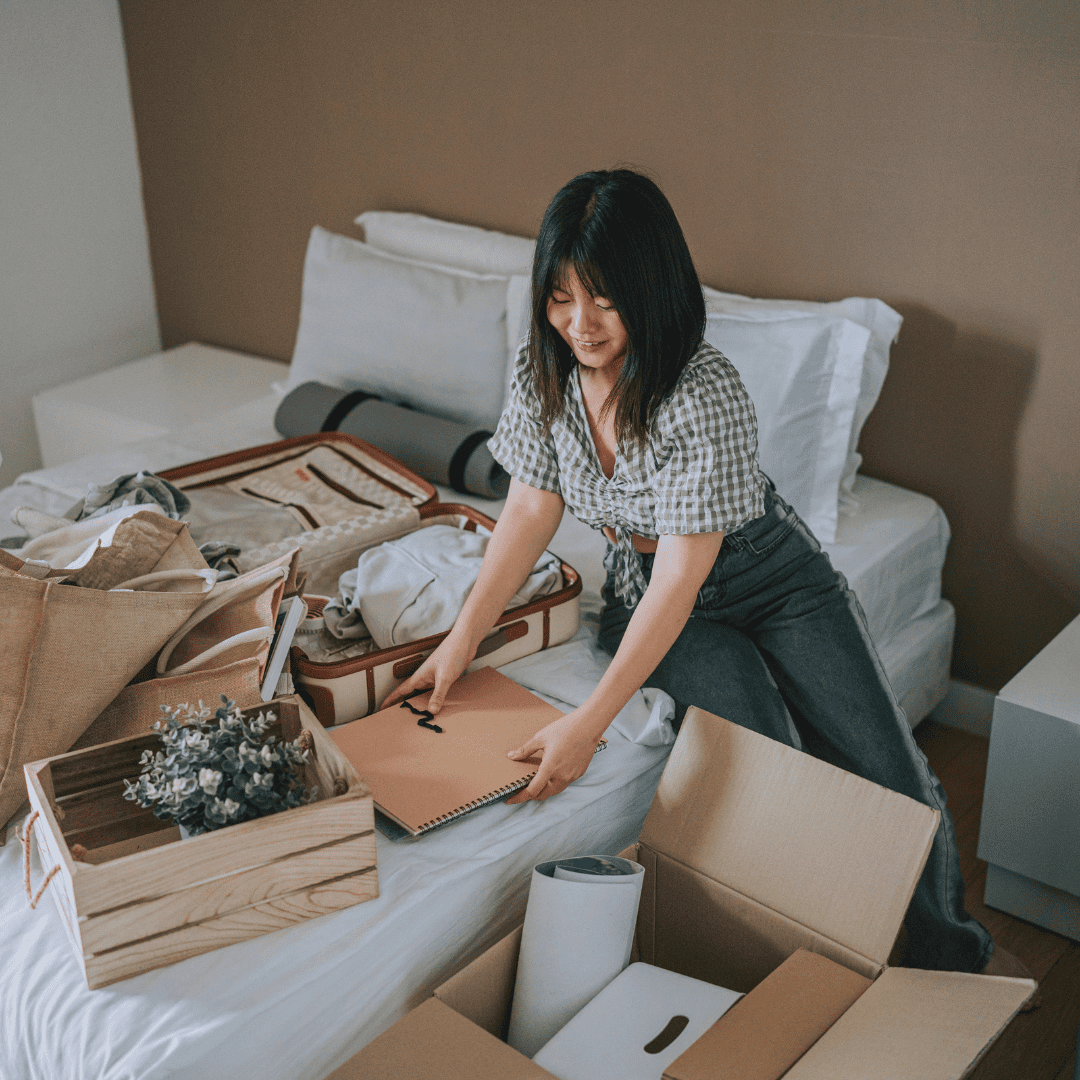
In recovery from an eating disorder, independence can be seen as a privilege. It can feel stifling to be monitored by your treatment team and loved ones – even when their supervision stems from a place of justified concern. Moving out on your own is an occasion that comes with a lot of freedom. In eating disorder recovery, this can be equal parts exhilarating and terrifying.
Looking after yourself and prioritizing healing while living alone is one of the most challenging tests of recovery. Even for those who have been committed to recovery for many years, the changes that accompany living alone for the first time can inspire old feelings and incite old behaviors.
Experiencing New Emotions
Moving out on your own for the first time can provoke many emotions. While this newfound independence can be exhilarating, the comfort that lies in familiarity is never easy to let go of, regardless of how long you have been preparing for it. Even if you have been waiting to move out for years, facing the reality of leaving is often more complicated than it appears.
Feeling Out of Control
Control plays a significant role in a majority of eating disorders. Many aspects of your move may have you feeling out of control, even if you have planned every part of your move down to the minute. It is undeniable that moving is a massive change – especially if you are moving away from your hometown or your loved ones. You may find yourself struggling to cope with a sudden lack of control, creating an opening for your eating disorder to creep back into your life. Try to set up a routine that feels comfortable for you and reinforces your recovery as soon as you can.
Grocery Shopping On Your Own
Buying food on your own can be another stressor. Budgeting for groceries can turn into an unintentional return to restriction. It is important to make a plan to shop for and feed yourself adequately when you move out on your own to ensure your focus on recovery. This is an exciting opportunity to find out what foods you like to have that meet your meal plan requirements and also sound good!
Loneliness
One of the most challenging parts of moving is the loneliness that follows. It is one thing to feel alone when you are accustomed to your surroundings, but it is a different sensation to feel alone in an unfamiliar place. The familiar tugs of your eating disorder may seem to provide some solace during a time when you are forced to leave your comfort zone. In these lonely moments, reach out to your friends, family, and treatment team for comfort and encouragement.
Finding Recovery Success After Moving
Continuing to resist your disordered urges after moving out on your own is one of the ultimate challenges of recovery. It is only natural to be tempted to return to behaviors that you once used when overwhelmed by the unfamiliar. Know that your recovery is not undone because of this – recovery is not always linear, no matter how early or far into the process you are. This transition stage will not last forever, and though it may not feel like it now, the feeling of unfamiliarity is only temporary. Eventually, this place will feel more like home as you cultivate new connections and experiences.

BALANCE eating disorder treatment center™, located in New York City, offers free consultation calls to help you explore next steps. We provide in-person programming seven days a week and are in-network with UnitedHealthcare (UHC), Cigna, and Oscar, with Aetna coverage coming soon. Support is available, and recovery is possible. Schedule a free consultation call with our admissions team here and stay connected with BALANCE on Instagram here.
This post was written by BALANCE Blog Contributor, Samreen Khan (she/her/he/him).
Samreen is a high school graduate with an ardent drive to de-stigmatize mental illness and eating disorders. Born and raised in the Bay Area, she experienced the harmful effects of “fitspo” culture firsthand for most of her childhood. Throughout her own recovery journey, she became passionate about deconstructing diet culture and raising awareness about eating disorders in her everyday life. Samreen began extending her own ideology of intuitive eating and body neutrality to others by publishing her own writing online when she was fourteen, and has since received several awards for her prose and poetry. She has conducted research on the biological and evolutionary implications of familial mental illness, and is currently taking college-level Sociology and Psychology courses with hopes to delve further into the social and cultural constructs that bolster disordered eating, especially within marginalized communities. She’s grateful for the opportunity to combine two of her strongest passions — writing and mental health — by working with BALANCE!


